Seven football stars whose fortunes unravelled after retirement
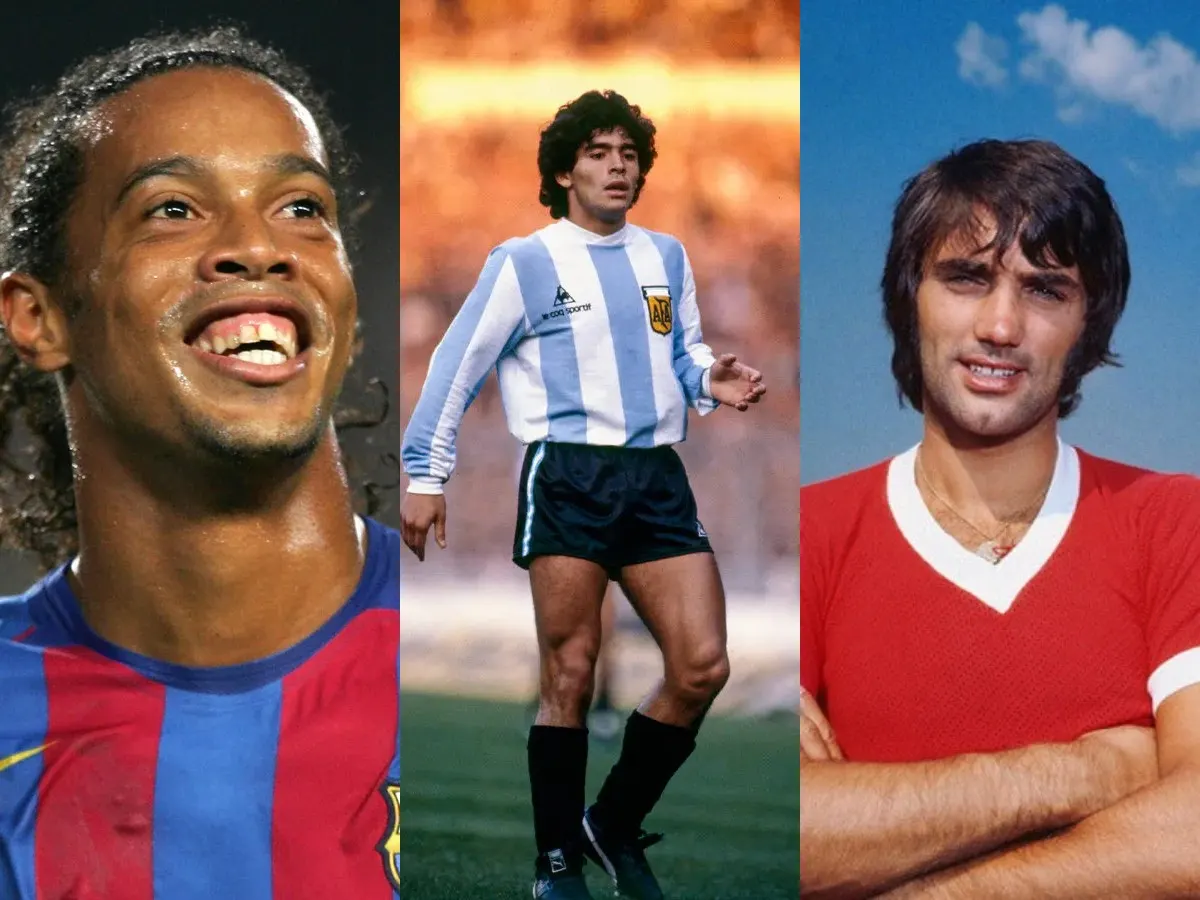
Ronaldinho, Maradona, Gascoigne, Best, Babayaro, Gyan and Cafu faced serious financial pressure after or near the end of their playing careers.
A high-earning football career did not guarantee long-term financial security for seven prominent former players. Ronaldinho, Diego Maradona, Paul Gascoigne, George Best, Celestine Babayaro, Asamoah Gyan and Cafu all experienced serious financial pressure after, or towards the end of, their playing careers.
Ronaldinho’s problems included unpaid debts and fines in Brazil, where authorities froze accounts and seized properties. Lavish spending and unsuccessful business and property ventures added to his difficulties. The former Barcelona and Brazil star was also detained in Paraguay in 2020 after using false documents, although he has continued earning from endorsements, appearances and business activities.
Maradona, who led Argentina to the 1986 World Cup and became a Napoli icon, faced years of financial disputes. His spending, addiction and a long-running tax case in Italy placed heavy pressure on his finances. Authorities pursued a major tax claim and seized assets during his visits, while his death in 2020 came amid unresolved family and financial disputes. Gascoigne’s wealth was damaged by alcohol and drug problems, failed businesses, tax debts and personal turmoil. His companies collapsed and he entered bankruptcy proceedings before using an Individual Voluntary Arrangement to restructure some debts.
George Best also lost much of the fortune built during his Manchester United career. Alcoholism, gambling and extravagant spending led to bankruptcy in the early 1980s. The Northern Ireland great, who won the European Cup and the Ballon d’Or, continued to face financial difficulties before his death in 2005, leaving substantial liabilities.
For Nigerian supporters, Babayaro’s case was especially notable. The former Super Eagles defender won Olympic gold in 1996 and played for Chelsea and Newcastle United. Despite reported earnings of about £25,000 a week, injuries, property problems, falling football income and the 2008-09 financial crisis preceded his bankruptcy in England around 2011.
Gyan earned heavily in England, the United Arab Emirates and China, with reported weekly wages exceeding £200,000 at one stage. Businesses, cars and properties were followed by financial disputes, unpaid wages and a public marriage and property battle. In 2018, he displayed a bank statement reportedly showing about £597, though later business and commercial work helped him rebuild.
Cafu, a two-time World Cup winner and 2002 Brazil captain, also became involved in a player-agency business with his wife after retirement. Together, the cases show how quickly football wealth can be weakened by debt, addiction, failed investments, legal disputes and poor preparation for life after playing.
Source: The Sun Nigeria · Sports
 Malaga
 Deportivo La Coruña
 Osasuna
 Levante
 Elche
Elche Barcelona
 Fulham
 Chelsea
 Coastal Union
 Young Africans
 JKT Tanzania