Ghana sports gets new funding push as NSA unveils new committee
Ghana’s National Sports Authority has formed a five-member committee to secure long-term funding, improve facilities and create talent pathways across 58 federations.
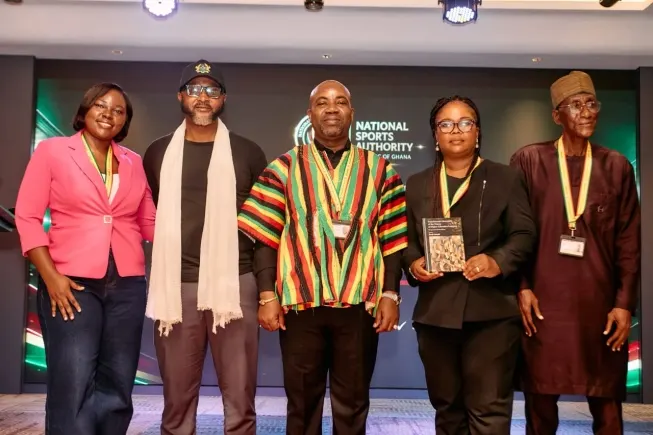
Ghana’s National Sports Authority has inaugurated a five-member Resource Mobilisation and Partnership Committee as part of an effort to change how sport is financed and developed. The committee was inaugurated on Friday, August 14, 2026, at the ESP Hotel in Accra under the theme “Supporting the Reset Ghana Sports Agenda”. Its central task is to move Ghanaian sport away from short-term appeals for assistance and towards structured investment, partnerships and athlete development.
The committee is expected to mobilise resources for all 58 sports federations and associations. It will identify equipment and logistical needs, establish credible local and international partnerships, and examine the condition of sporting facilities. Its brief also includes a review of ungrassed pitches, commonly known as Sakora parks, and the search for practical ways to improve playing surfaces and other infrastructure used by athletes and communities.
Samson Deen, who chairs the committee and is president of the African Paralympic Committee, said the challenge was not a lack of ability among Ghanaian athletes. He said the country needed a system capable of identifying talent, financing it, developing athletes and promoting them to the highest level. “Resource mobilisation must not mean simply asking for money,” Deen said, setting out a mandate that includes planning, partnership-building and investment rather than fundraising alone.
That approach is intended to replace emergency funding with longer-term preparation. Deen called for a system that supports athletes before major competitions, rather than waiting until an immediate need arises. The proposed work covers equipment, coaching, sports science, athlete preparation and anti-doping programmes, alongside grassroots development. The committee’s proposed $30 million National Sports Revival and Podium Investment Programme is designed to bring those areas together under one national financing plan.
The proposed Constituency Games are another major part of the committee’s agenda. The initiative is intended to become a community-owned national talent discovery platform, with athletes moving from constituency and community competitions to regional and national events before entering elite development programmes. Deen said the games should not become simply another event on Ghana’s sporting calendar. He described them instead as a national talent-discovery movement that could connect local participation with a formal pathway to high-level sport.
The plan places particular importance on the stage before athletes become established names. Deen urged media organisations to cover emerging competitors and their development, rather than concentrating only on medal winners. “We do not want the media to arrive only when the medal has been won. We want you there when the journey begins,” he said. That emphasis reflects the committee’s wider attempt to build visibility and support around athletes at the beginning of their careers.
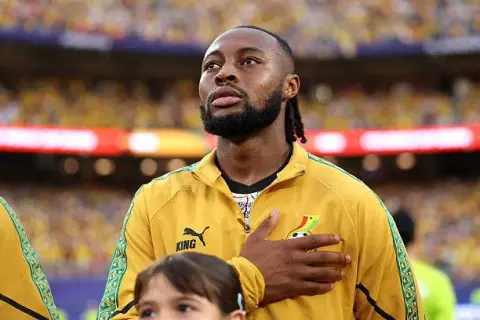
Ghana’s latest five results in the sports database show a mixed international sequence: defeats by Colombia, 1-0, and Croatia, 2-1; a 0-0 draw with England; a 1-0 win over Panama; and a 1-1 draw with Wales. The record is not a measure of every sport covered by the NSA, but it illustrates the performance environment surrounding Ghana’s most visible national teams. The new committee’s remit is broader, covering federations and associations across the sporting system rather than football alone.
The committee is made up of Deen as chairman, Yaw Ampofo Ankrah as co-chairman, Hajia Zenabu Sulemana, Alhaji Mutawakilu Iddrisu, and Mavis Ekua Enyamah Kwainoe as member and secretary. Its next work will involve identifying needs, developing partnerships and advancing the proposed revival and podium programme. Deen said its success should be judged by the benefits delivered to athletes and sporting communities, including the resources unlocked and partnerships built, rather than by the number of meetings held or documents produced. The test for the new structure will therefore be whether its plans produce sustained support across Ghana’s sports system.
Source: Graphic Online · Sports
 Richards Bay
 Sekhukhune United
 Polokwane City
 Morocco Women
 Coastal Union
 Pumas
Pumas Stormers