Remembering Sonny Liston and how boxing made its heavyweight monster
Remembering Sonny Liston, the heavyweight champion who stopped Floyd Patterson twice but was defined by boxing through fear, crime and silence.
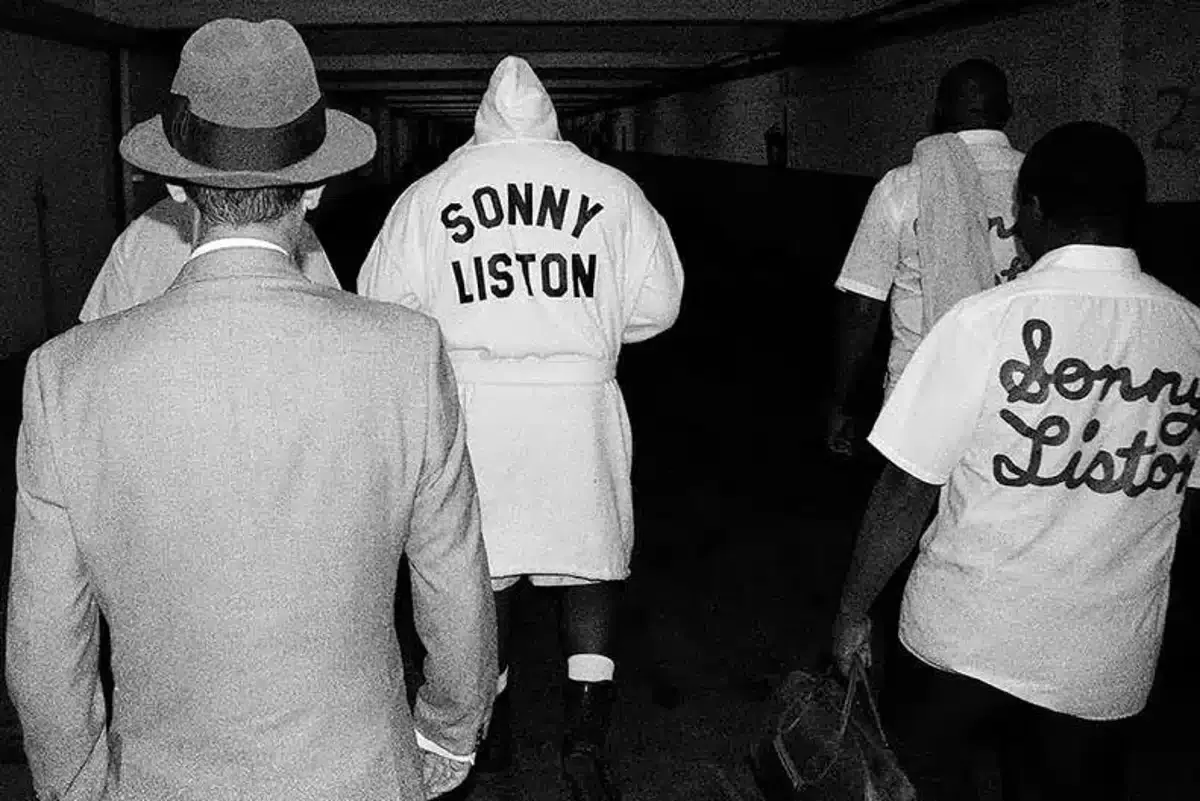
Sonny Liston won the heavyweight championship on September 25, 1962, but the title did not bring the public acceptance usually given to boxing’s leading champion. He stopped Floyd Patterson in 2:06 at Comiskey Park, then needed only four seconds to repeat the result in their July 1963 rematch.
Those victories established Liston as the strongest heavyweight of his period, yet they also reinforced the image built around him. Patterson was presented as a respectable and decent champion, while Liston was cast as a dangerous criminal approaching boxing’s most important prize. His dominance became another reason for people to fear him rather than admire him.
There were serious issues behind that portrayal. Liston had served prison time for armed robbery, faced later arrests and had connections to figures with organised-crime interests in boxing. Frankie Carbo and Frank “Blinky” Palermo held financial interests in his career. Those links deserved scrutiny, but coverage often treated his past as permanent evidence that he remained dangerous.
Race shaped that judgment as well. Patterson was viewed as articulate, sensitive and safe for the heavyweight championship, while Liston was reduced to the image of a huge, scowling Black fighter. His size, expression and criminal record were combined into a single character, leaving little room for the person or the athlete behind it.
Liston also struggled to challenge the role assigned to him. He rarely smiled, offered brief answers and appeared uncomfortable in interviews. Reporters read that discomfort as aggression, while his limited education, confidence and media preparation made it difficult for him to present another version of himself. Unlike Joe Louis, Patterson or later Muhammad Ali, he did not possess a public quality that reassured or captivated audiences.
His boxing deserved more attention than it received. Liston used a powerful jab to control distance, attacked the body and cut off the ring against smaller heavyweights. His wins over Cleveland Williams and Zora Folley reflected technical development as well as strength. Cassius Clay then exploited Liston’s public image before taking the title in February 1964. Liston’s failure to leave his stool after the sixth round and the disputed first-round ending of their 1965 rematch fixed the image of a coward beside the earlier monster. His criminal associations, two defeats by Ali and mysterious death have since dominated the story, often leaving his ability and achievements behind.
Source: Boxing News 24