Why the Six Nations Remains One of Rugby’s Greatest Tournaments
Five rounds, historic rivalries, shifting styles and fierce home venues give the Six Nations a pressure unlike any other rugby tournament.
The Six Nations earns its place among rugby’s greatest tournaments through a format that leaves little room for recovery. England, France, Ireland, Italy, Scotland and Wales meet across five rounds, with every team facing the other five once. Each match carries immediate importance because there is no long season to soften the effect of a poor afternoon.
The schedule also gives the competition an unusual rhythm. Home advantage changes from year to year, making the same fixture feel different depending on its setting. France travelling to Twickenham presents a different challenge from France hosting England in Saint-Denis. A side that performs strongly at home can find itself under pressure when it returns to the road only six days later.
The points system adds another layer. Four tries can earn an additional point, while a narrow loss can still provide something for the defeated side. That encourages teams to balance ambition with control. Coaches may need to pursue tries without allowing the game to become unmanageable, while supporters calculate the consequences for the standings, Grand Slam hopes and selection battles.
History gives the fixtures their emotional force. England and Scotland compete for the Calcutta Cup, first contested in 1879. Ireland and France have produced fast, demanding matches in recent seasons. Wales remain capable of upsetting expectations, and Italy’s victory in Cardiff in 2022, secured by Ange Capuozzo’s break, showed how much their status has changed. The old rivalries remain relevant because new players keep altering them.
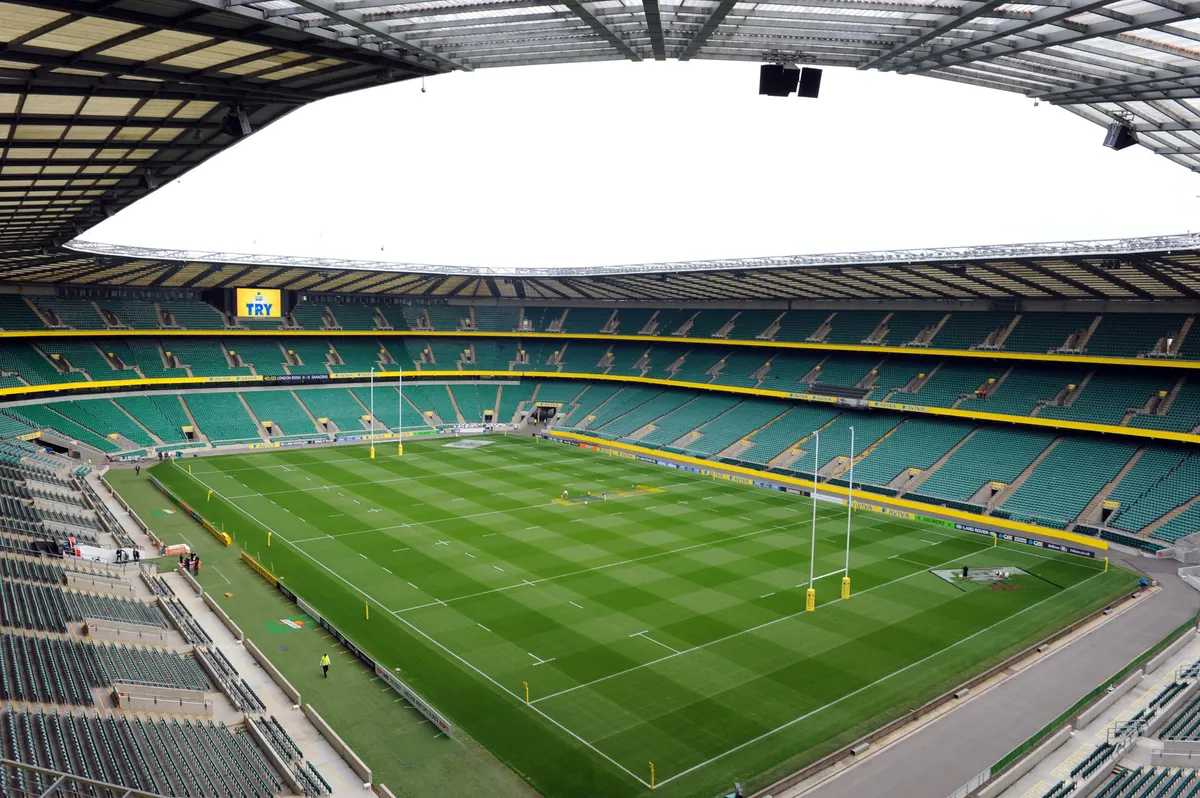
The venues are part of the contest. Murrayfield’s exposed atmosphere, the Aviva Stadium’s intensity after an Irish turnover, the Principality Stadium’s enclosed noise and Twickenham’s scale all create different pressures. Paris adds theatre, while Rome now hosts a team and audience expecting more than a respectable defeat. Players must communicate through the noise and trust work completed during training.
Those surroundings expose contrasting rugby identities. France seek broken-field opportunities and offloads, Ireland build pressure through repeated phases and accurate rucks, while England have moved between kicking pressure and wider passing. Wales draw on emotion and turnovers, and Italy increasingly attack with pace through players such as Paolo Garbisi. The tournament also introduces talent immediately: Brian O’Driscoll scored three tries against France in Paris in 2000, while Antoine Dupont later made small spaces decisive. Reputations are formed in real time, which keeps the Six Nations connected to its history without allowing it to become trapped in the past.
Source: The Rugby Paper