How second-screen habits are changing football viewing
Modern football fans are increasingly using smartphones and tablets to engage with live matches through real-time stats and social interaction.
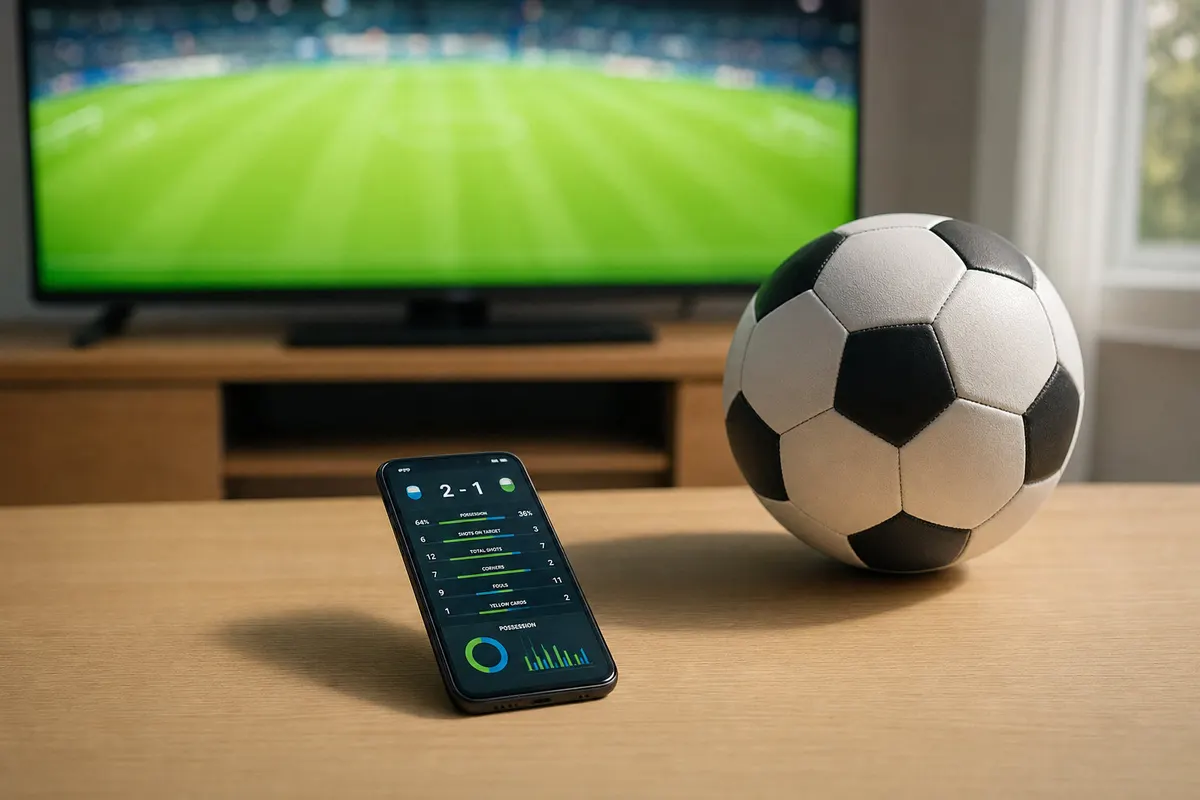
The way supporters consume football has shifted into a multi-layered digital experience. Rather than focusing solely on a single broadcast, fans now engage with matches through a combination of primary viewing and secondary devices like tablets, laptops, or smartphones.
This second-screen phenomenon involves both active and passive engagement. Active participation includes joining group chats, responding to live polls, or posting reactions on social media. Passive habits involve scrolling through breaking news or monitoring live dashboards. These activities often complement the main broadcast, allowing fans to access information that the primary feed might not provide.
Digital tools have become essential for understanding the tactical side of the game. Supporters use secondary screens to access player heatmaps, expected goals data, and instant lineup information. These resources allow for real-time debate regarding tactical changes as they occur on the pitch.
Social media and messaging platforms serve as digital hubs for communal reactions. Fans use these spaces for spontaneous discussion, sharing memes, or participating in watchalong livestreams. During high-stakes moments, such as controversial referee decisions or VAR interventions, these platforms facilitate near-instant online arguments and collective emotional processing.
High-tension fixtures, including knockout ties or top-of-the-table matches, tend to intensify these digital habits. The uncertainty of these games often drives fans to check news feeds more frequently for updates on injuries or substitutions. Some supporters also integrate other forms of in-play engagement, such as live casino entertainment, into their matchday rituals.
While these habits deepen immersion for many, they also spark debate regarding attention spans. Critics suggest that constant notifications and social chatter can fragment a viewer's focus. There are also concerns regarding the speed at which misinformation can spread during live matches. Despite these challenges, second-screen engagement remains a defining characteristic of the modern football experience.
Source: The 4th Official
 Stellenbosch
 Marumo Gallants FC
 Mbeya City FC
 Griquas
 Sharks
 Lions
Lions Boland Cavaliers