Nigeria Football Reform Ordered After NFF Crisis and Qualifying Failures
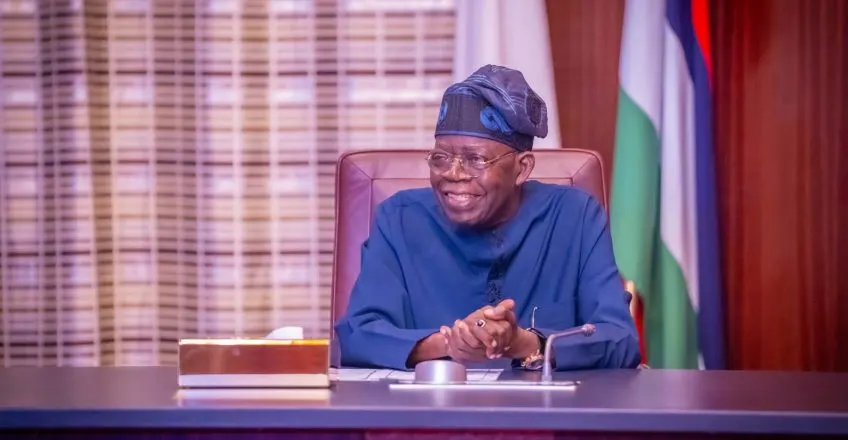
President Bola Tinubu has ordered broad reforms of Nigerian football after national-team failures and the resignation of the NFF president and executive board.
President Bola Tinubu has directed a comprehensive reform of Nigerian football after repeated failures by the country’s teams to qualify for major regional, continental and world tournaments. The order comes at a moment of institutional disruption, following the resignation of Nigeria Football Federation president Gusau and members of his board on Thursday.
The departures followed intense pressure over a series of disappointing results involving Nigeria’s national teams. The Super Eagles’ failure to qualify for the 2026 FIFA World Cup was one of the most serious setbacks cited in the reform call. Nigeria’s men’s team had been expected to remain a central force in African football, but the qualifying failure exposed the consequences of wider problems beyond one campaign.
The Super Falcons also missed qualification for the 2027 FIFA Women’s World Cup. That result ended Nigeria’s record of appearing at every edition of the women’s tournament since the competition began in 1991. The setback affected a team that has long represented Nigeria at the highest level of the women’s game and added urgency to the demand for changes across the football system.
Tinubu said the reform must address governance, administration, stakeholder representation, development pathways, domestic competitions and accountability. The areas listed cover both the running of the sport and the structures that produce teams and players. They also point to a process intended to reach beyond the national teams and examine how Nigerian football is organised from its leadership institutions through its domestic competitions.
The President said football had continued to struggle because of structural weaknesses, even as other sports recorded meaningful progress since the reset of the sports sector under the re-established National Sports Commission. He described football as Nigeria’s most popular sport and the biggest beneficiary of public support, investment and national attention. His assessment was that the country’s talent, passion and resources had not been matched by institutions capable of sustaining strong performance.
Tinubu has instructed the Chairman of the National Sports Commission to work with the NFF Secretariat and relevant football stakeholders. Their immediate task is to maintain continuity in essential football administration while creating a broad and consultative reform process. That direction places the NFF Secretariat inside the transition and seeks to prevent the leadership crisis from interrupting the administration of the game.
The reform process is also expected to involve FIFA and the Confederation of African Football. Any changes will therefore have to be pursued while Nigeria maintains its obligations within the international football framework. The reference to engagement with both governing bodies signals that the planned restructuring is not limited to domestic decisions, particularly where football administration and recognised federation responsibilities are concerned.
The next phase will require the Sports Commission, the NFF Secretariat and other stakeholders to define how the proposed changes will work in practice. Tinubu called on football stakeholders and Nigerians to support the transition and cooperate in building a stronger, more accountable system. The immediate challenge is to restore administrative continuity after the board’s resignation, while the broader task is to create development and competition structures that can support Nigeria’s teams at regional, continental and world level.
Source: Nigeria Football Federation
 Barcelona
 Athletic Club
 Celta de Vigo
 Osasuna
 Al Assiouty Sport
 El Mokawloon
 Al-Masry SC
 Simba
Simba Coastal Union
 Recreativo da Caála