Why boxing’s biggest stars were never universally loved by fans
Boxing history shows that fame has often come from admiration, resentment or both, with controversial figures becoming major attractions.
Boxing’s biggest attractions have not always been universally popular. Some fighters became national heroes, while others drew large audiences partly because spectators wanted to see them beaten. Fame in the sport has often depended as much on emotion as on achievement.
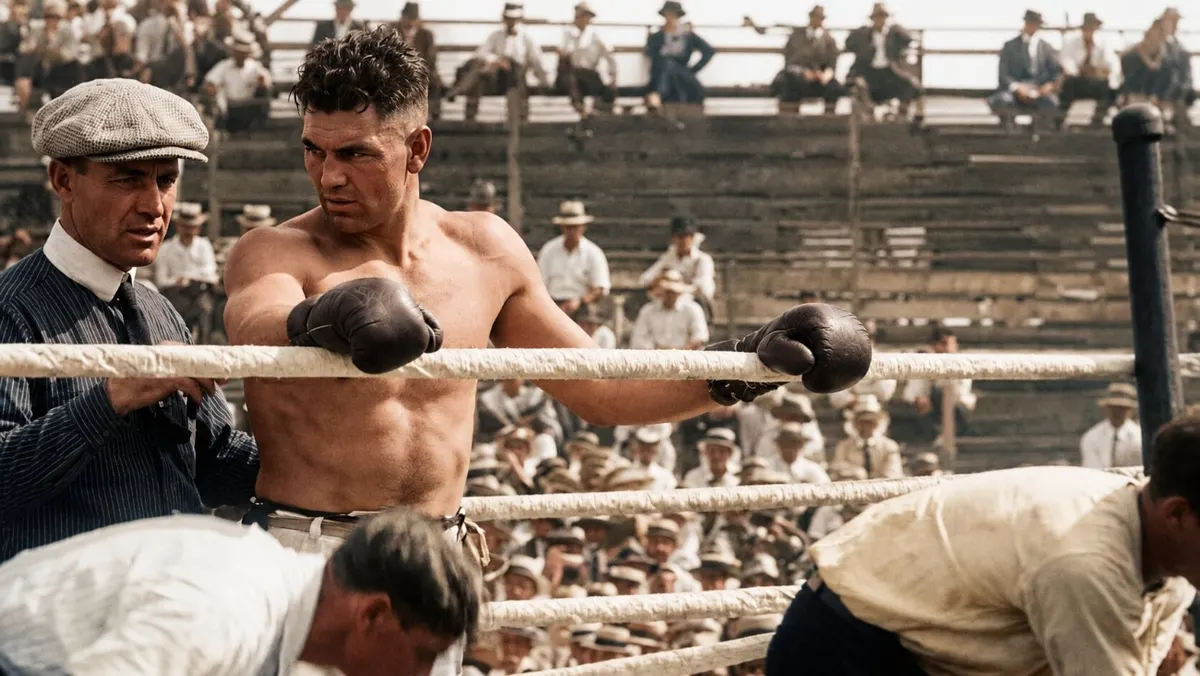
Jack Dempsey helped establish the heavyweight championship as a major commercial event. His 1921 defence against Georges Carpentier generated boxing’s first million-dollar gate, and his first meeting with Gene Tunney five years later attracted more than 120,000 spectators in Philadelphia. The scale of those events made Dempsey one of the sport’s earliest mass-market stars.
Joe Louis reached an even wider audience. His 25 successive heavyweight title defences remain a division record, but his public importance extended beyond his victories. He served in the Army and took part in exhibitions during the Second World War, becoming a national figure while Black athletes still faced major racial barriers. Sugar Ray Robinson later earned admiration for his speed, combinations and longevity, while Henry Armstrong’s relentless style and victories over 16 world champions made him a favourite. Armstrong also held featherweight, lightweight and welterweight titles simultaneously.
Other champions built their reputations through exceptional records and national identity. Rocky Marciano retired unbeaten at 49-0, with 43 stoppages, and his knockout of an ageing Louis became one of his most recognised wins. Manny Pacquiao won championships in eight divisions and carried the hopes of the Philippines into his fights. Yet Jack Johnson’s fame was divided by the racial hostility of his era. Many white Americans opposed him because he was a Black champion defeating white challengers, while many Black supporters regarded him as a hero.
Pernell Whitaker’s defensive craft earned respect but not the commercial following enjoyed by less accomplished fighters. His style relied on positioning, timing and movement rather than constant exchanges. Larry Holmes also received less recognition than his ability warranted, with his succession to Muhammad Ali, victory over an older Ali and later criticism of Marciano supporters overshadowing a reign that included 20 successful defences.
Ali showed how opposition could also sell fights. His boasts attracted admirers and encouraged others to pay for the chance to see him lose, although his private manner was described as very different from the confrontational persona used in promotion. Ricky Hatton, Mike Tyson, Marvin Hagler, Sugar Ray Leonard, Willie Pep and Alexis Arguello each developed loyal followings through different mixes of personality, nationality and style. Boxing’s history therefore resists a simple popular-or-unpopular label: some stars were loved, some resented, and the biggest attractions often inspired both reactions.
Source: Boxing News 24