George Foreman’s Delay Remembered in 1977 Loss to Jimmy Young
Decades later, George Foreman’s 1977 defeat by Jimmy Young remains a warning about wasted time, heat and a late change of tactics.
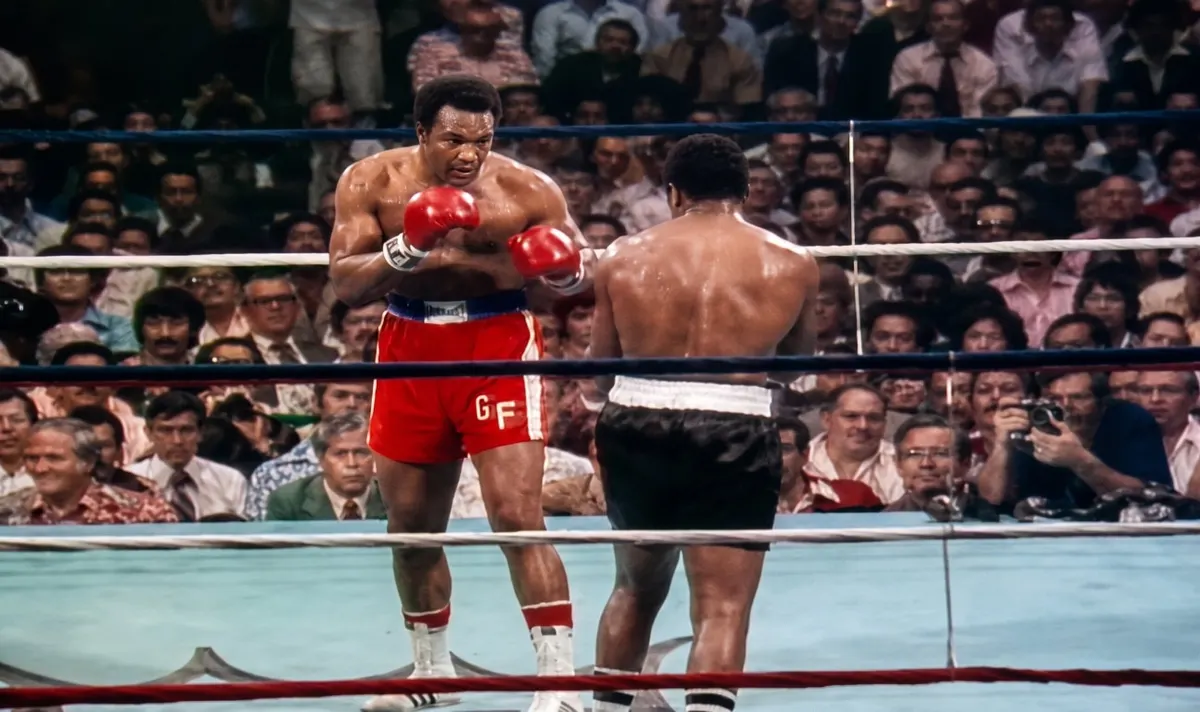
George Foreman’s decision loss to Jimmy Young on March 17, 1977, is remembered as a fight he allowed to drift away. Young won by unanimous decision in their heavyweight bout in San Juan after Foreman spent too long trying tactics that did not suit him.
Foreman had previously overwhelmed Joe Frazier and Ken Norton with sustained pressure, but he did not approach Young with the same urgency. Young moved constantly, countered with punches and tied Foreman up when the distance closed. Referee Waldemar Schmidt also penalised Foreman in the third round for unnecessary roughness after repeated pushing, use of the forearms and attempts to break free from clinches.
The tactical hesitation was linked to Foreman’s work with another trainer. Gil Clancy later recalled that the former champion was carrying his hands unusually high and experimenting with methods outside his natural style. After six rounds, Clancy told him to stop experimenting and seek the knockout.
Foreman responded forcefully in the seventh round. A powerful left hook badly hurt Young, who later acknowledged that he was almost out while still standing. Young survived by moving, clinching and fighting through the danger, while the hot conditions in San Juan continued to drain Foreman.
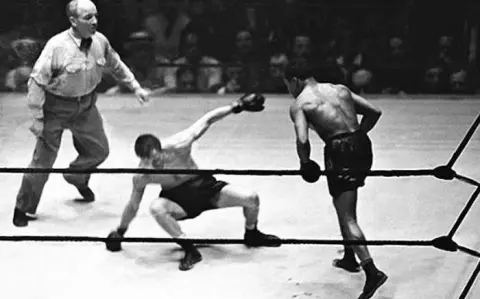
By then, Foreman had already spent too much energy following Young and wrestling in close. Young returned to his defensive approach and continued finding Foreman with jabs and right-hand counters. In the 12th round, Young knocked Foreman down with a right hand before completing the decision victory.
The result was the biggest achievement of Young’s career and his last victory over a major heavyweight. Eight months later, he lost a WBC eliminator to Ken Norton, then suffered consecutive decision defeats against Ossie Ocasio. Foreman’s loss did not establish Young as a consistently reliable answer to elite heavyweights, but it showed the cost of surrendering six rounds, accepting a point deduction and waiting until fatigue had set in before applying his best pressure.
Source: Boxing News 24