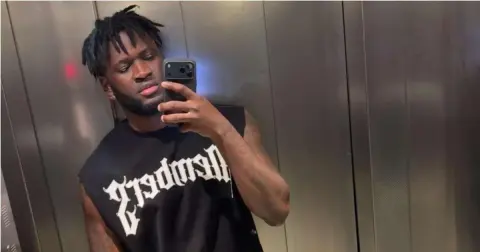
Global football fans increasingly follow star names over clubs
An 80% second-club trend and the pull of Messi, Ronaldo and other stars show how player-led fandom is reshaping football support.
Four in five football supporters worldwide now follow at least one club beyond their traditional team. That figure reflects a shift in how fans connect with football, as star players increasingly influence allegiance alongside family, geography and club history.
Lionel Messi’s move to Inter Miami showed the commercial strength of that connection. The club’s social media activity rose, shirts sold quickly and demand for tickets increased, while the team’s pink colours appeared on supporters in the United Kingdom and Europe with no personal link to Miami.
Cristiano Ronaldo has created a similar pull through Al-Nassr. The attraction is not limited to the two most recognisable names of their generation. Zlatan Ibrahimovic, Erling Haaland, Kylian Mbappe, Jude Bellingham and England forward Ella Toone are among the players who have built strong public profiles beyond their work on the pitch.
Younger supporters are less tied to one club than previous generations, with gaming playing a major role. Players encountered through EA Sports FC, Football Manager, YouTube and trading cards can become familiar before a fan develops an attachment to the team they represent. Selecting a player in a game and wearing that player’s shirt can matter more than the badge.
That does not necessarily mean established clubs are being abandoned. Many supporters retain the team passed down by their families or connected to their home area, while adding clubs from other countries or leagues. Their second choice may reflect a team’s story, identity, colours or culture, but players are often the strongest reason for choosing it.
The movement of a star can therefore change the club a supporter follows. Players now have direct access to large audiences through social media and personal video channels, allowing them to shape their own public identities and invite fans into their careers. For some followers, the individual has become the main point of connection, with the institution coming second.
Source: Graphic Online · Sports
 Cameroon Women
 JKT Tanzania
 Kagera Sugar
 Simba
Simba Espanyol
 Levante
 Racing Santander
 Villarreal
 TS Galaxy
 Golden Arrows