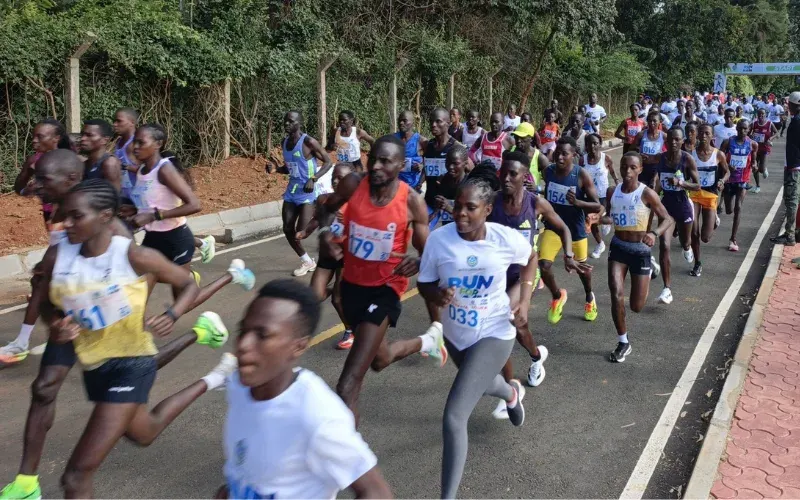
Kitui Green Run honours clean-sport champions after water impact
The Kitui Green Run will recognise validated athletes and clean-sport standards after drilling found water linked to its inaugural 21km race.
The Kitui Green Run will recognise athletes, community leaders and partners after its inaugural 21-kilometre race produced an early water project in Kitui. The awards ceremony will place validated performances and clean sport at the centre of the event’s legacy.
The ceremony at Karen Green Complex will honour runners whose results have passed formal checks, alongside Community Water Stewardship Champions and Run For Rain Ambassadors. The champions helped engage local communities, while the ambassadors have accepted continuing responsibilities linked to water and environmental stewardship.
Doping controls carried out with the Anti-Doping Agency of Kenya produced three Adverse Analytical Findings. The athletes involved have been notified, but their cases remain within the formal results-management process. Organisers said prizes will be based only on results that have been validated under ADAK procedures and Athletics Kenya regulations.
The race’s first practical water outcome emerged from work conducted after the 31 May 2026 event. Green Africa teams examined schools, public facilities and water sources along the course to determine where interventions were most needed. At one family homestead, RainBank Intelligence identified a possible groundwater source below land where residents had previously travelled long distances for water. Subsequent drilling reached water.
Organisers have presented the development as an early example of how local knowledge, scientific assessment and partnerships can connect a sporting event to community needs. They have also stressed that the project does not resolve Kitui’s wider water problems. Its importance lies in showing that the Run For Rain concept can produce a measurable intervention beyond race day.
The existing course has been named the Founding Ring of Impact, with plans for a future 42-kilometre marathon. Organisers say the longer route could expand community participation, sports tourism and water initiatives. Further partnerships are being pursued across water projects, athlete and youth development, medical and race safety, technology, conservation, community stewardship and impact verification.
Source: Capital Sports (Capital FM Kenya)
 Deportivo La Coruña
 Elche
Elche Espanyol
 Levante
 Racing Santander
 Villarreal
 Cameroon Women
 JKT Tanzania
 TS Galaxy
 Golden Arrows