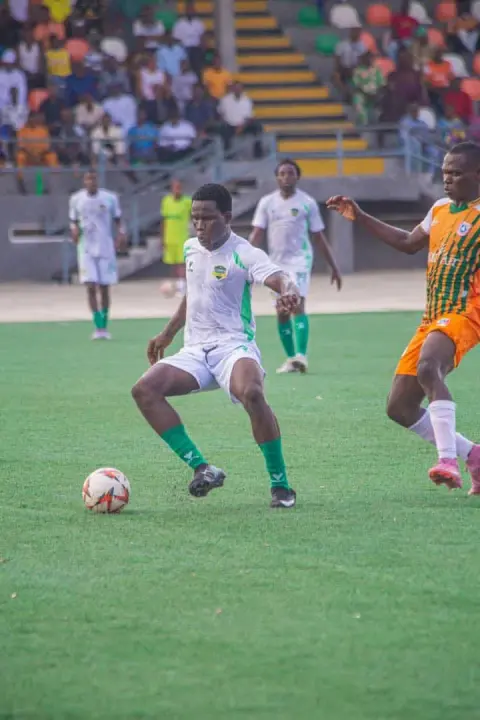
Five key lessons from Cameroon’s 3-0 WAFCON 2026 triumph in Morocco
Cameroon’s 3-0 final win over Malawi capped WAFCON 2026, which showed stronger competition, rising coaching influence and unresolved organisational issues.
Cameroon finished WAFCON 2026 with a 3-0 victory over Malawi in the final, becoming the fourth country to win the competition. Only Nigeria, Equatorial Guinea and South Africa had previously lifted the trophy, making Cameroon’s success one of the tournament’s defining developments.
The move from 12 teams to 16 strengthened the competition despite being confirmed during a qualifying process built for the smaller format. Cameroon had initially been eliminated by Algeria but entered through their world ranking and went on to win the title. Ivory Coast also returned through that route, topped their group and reached the quarter-finals. All four semi-finalists — Cameroon, Malawi, Algeria and hosts Morocco — secured places at the 2027 Women’s World Cup, with Malawi and Algeria qualifying for the tournament for the first time.
The results also pointed to a narrower gap between established teams and emerging sides. Tanzania defeated South Africa despite sitting 65 places lower in the world rankings, while South Africa needed a 99th-minute equaliser to draw with Ivory Coast. Malawi produced the tournament’s biggest surprise by beating 10-time champions Nigeria 3-2, then overcoming Ghana and Algeria to reach the final. Zambia were eliminated despite six points, while Mali missed the knockout stage on goal difference after finishing level with Ghana on four points.
WAFCON 2026 was more productive in front of goal, with 90 strikes across 32 matches at an average of 2.81 per game, compared with 2.54 in 2024. Cameroon coach Valentine Nguele also became the fifth woman to lead a team to the title. She joined Clementine Toure, Eucharia Uche, Florence Omagbemi and Desiree Ellis, having taken charge of Cameroon only in June and quickly brought structure to the team.
Nigeria’s failure was another major lesson. Seeking an 11th title, the Super Falcons suffered their worst WAFCON campaign after failing to win their group and then losing to Cameroon in the quarter-finals. South Africa later beat them 2-1 in the World Cup play-off, excluding Nigeria from the Women’s World Cup for the first time. Former striker Desire Oparanozie has urged a fresh start, while the national federation’s fact-finding committee faces wider questions about the team’s football structure.
The tournament also exposed logistical and officiating concerns. Matches without Morocco often attracted disappointing crowds, with travel expenses, visa rules and the late rearrangement after a postponement 12 days before the scheduled start among the factors identified. A VAR review in Cameroon’s group match against Mali lasted almost four minutes. Morocco also faced questions over late penalty awards against Cameroon and Algeria, while missing nine of 13 penalties during the tournament. CAF has not yet confirmed the venue or timing of the 2028 edition.
Source: Graphic Online · Sports
 Deportivo La Coruña
 Elche
Elche Espanyol
 Levante
 Racing Santander
 Villarreal
 Cameroon Women
 JKT Tanzania
 TS Galaxy
 Golden Arrows